How to Prepare for a Professional Photoshoot? An Architect's Guide to Seamless Ease
When clients open a search engine and ask "how to prepare for a professional photoshoot?", they are usually navigating a subtle mix of excitement and camera anxiety. Whether you are getting ready for an editorial Covenant engagement session, an intimate Somatic Boudoir experience, or a branding portrait inside our Pawtucket portrait studio, preparation is the foundation of presence.
Preparing for a photoshoot isn't about dieting, performing, or memorizing unnatural poses. It is about architecting an environment—both physically and mentally—that allows your nervous system to regulate, your shoulders to drop, and your authentic connection to shine.
As a Psychological Architect of Ease, my mission is to remove the friction long before you step across our threshold. Below is a deep-dive, expert preparation guide designed to walk you through every step of getting camera-ready with confidence and somatic ease.
The Photoshoot Preparation Blueprint
Internal & Mindset Prep
Clearing the schedule
Dropping performance
Embracing presence
Wardrobe & Texture Design
Breathable, moving fabrics
Earthy, desaturated tones
Tailored, comfortable fits
Physical & Skin Care
Hydration & skin prep
Rest & sleep architecture
Minimalist accessories
1. Wardrobe Architecture: Choose Texture over Performance
The most frequent question when learning how to prepare for a portrait session is what to wear. Your wardrobe should act as a natural extension of the environment, not a distraction or a rigid costume.
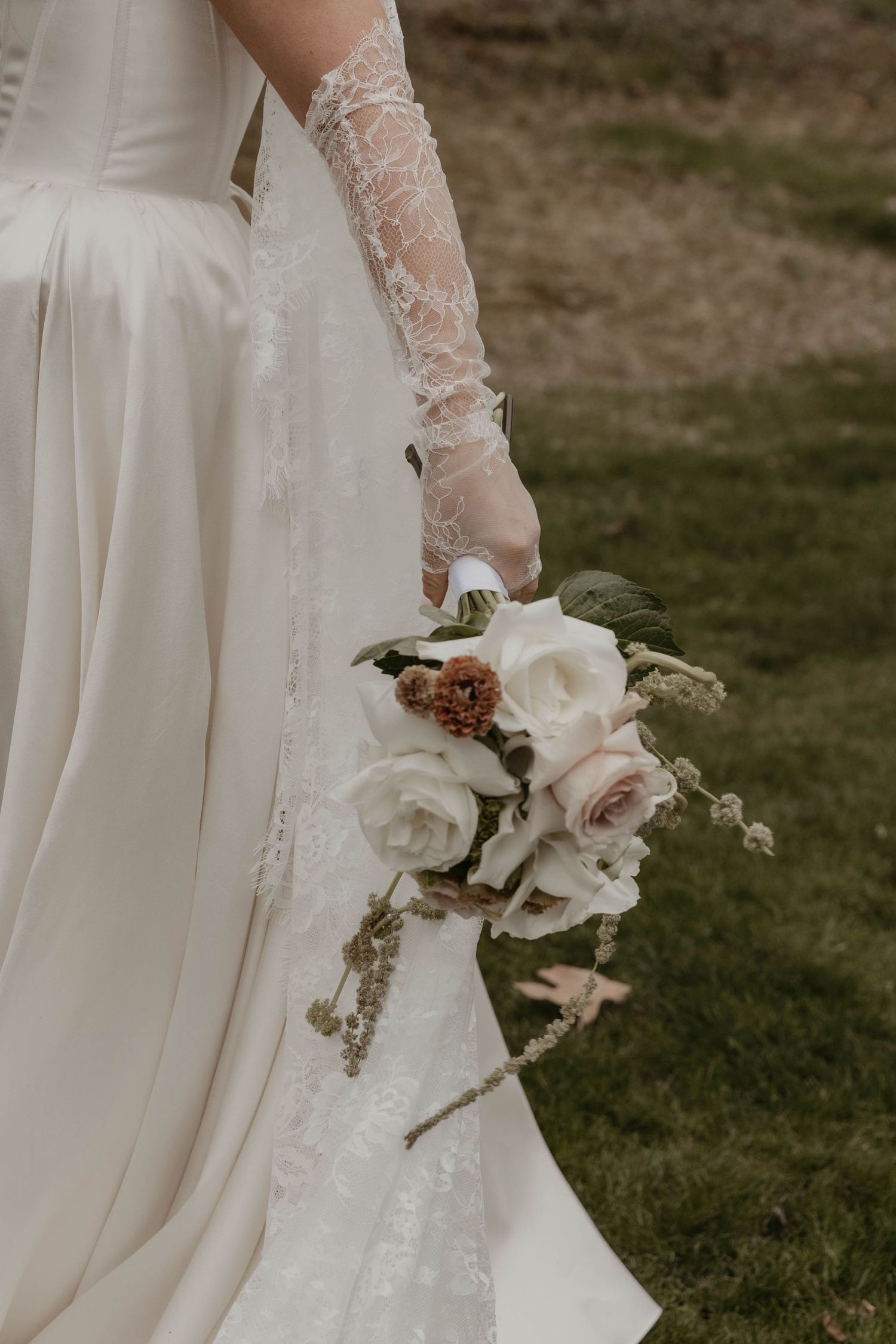
- Prioritize Movement and Breath: Choose garments made of organic, tactile fabrics—flowing silk, linen, soft knits, tailored denim, or layered lace. When the New England breeze catches a dress hem or a linen sleeve, it introduces unscripted, cinematic motion that stiff fabrics cannot replicate.
- Stick to Muted, Earthy Tones: Avoid bright neons, busy logos, or high-contrast, microscopic patterns (which can cause unwanted visual distortion on camera). Desaturated neutrals, rich jewel tones, deep charcoal, ivory, and earthy sage harmonize beautifully with both natural landscapes and studio backdrops like our signature Asethrea Slate.
- Fit for Ease: Wear outfits that make you feel instantly grounded and comfortable. If you are constantly pulling up a strap or holding your breath, that physical tension will show in your posture.
2. Physical Preparation: Skin Care and Rest
Preparing your body for the camera is about nourishing your skin and protecting your energy.
- Protect Your Sleep Architecture: In the 48 hours leading up to your session, prioritize deep rest and hydration. Drink plenty of water to give your skin a natural, luminous glow that no digital retouching can fake.
- Keep Skin Care Simple: Stick to your regular skin and hair routine. Avoid trying aggressive new facials, chemical peels, or heavy self-tanners right before your photoshoot, as these can cause uneven texture or unnatural color casts on camera.
- Mindful Grooming: Ensure nails are neat, as close-up portraits often highlight hands holding a partner's face, framing a bump, or adjusting a garment.
3. Timeline Planning: Eliminate Day-of Friction
Camera anxiety often stems from feeling rushed before the session even starts. Architecting a spacious timeline is the secret to stepping in front of the lens in a state of calm.
- Build a Time Buffer: Plan to arrive 15 to 20 minutes early to your location or studio space. This buffer absorbs unexpected traffic delays and allows your nervous system to adjust to the space before we begin shooting.
- Clear Your Schedule: Treat your photoshoot day as a sanctuary. Avoid scheduling high-stress work meetings or back-to-back commitments right before or after your session.
- Pack a Touch-Up Kit: Bring a small bag with water, your favorite lip balm or gloss, a hairbrush, and any comfortable shoes for walking between location spots (especially for coastal sessions in Cape Cod or wooded trails at Chepiwanoxet Point).
4. Somatic Mindset: Drop the Armor of Posing
The single most important tip for how to prepare for a photoshoot is shifting your mindset from performing to being.
Many clients worry, "What if I don't know how to pose?"
That is never your responsibility—it is mine. As your photographer, I map out the directional light, the angles, and the environment. You do not need to memorize poses from social media. Instead, expect gentle, rhythmic prompts focused on breath, touch, and movement. When you trust the process and allow yourself to simply exist in the moment, the camera captures raw, true-to-color memories rather than a forced smile.
Step Across the Threshold with Confidence
Preparing for a professional session is an act of self-care and reverence for your story. By organizing your wardrobe, protecting your energy, and letting go of performative expectations, you create the space for a visual legacy that feels entirely authentic to who you are.
Are you ready to design an unscripted, cinematic portrait experience in Rhode Island or across New England?