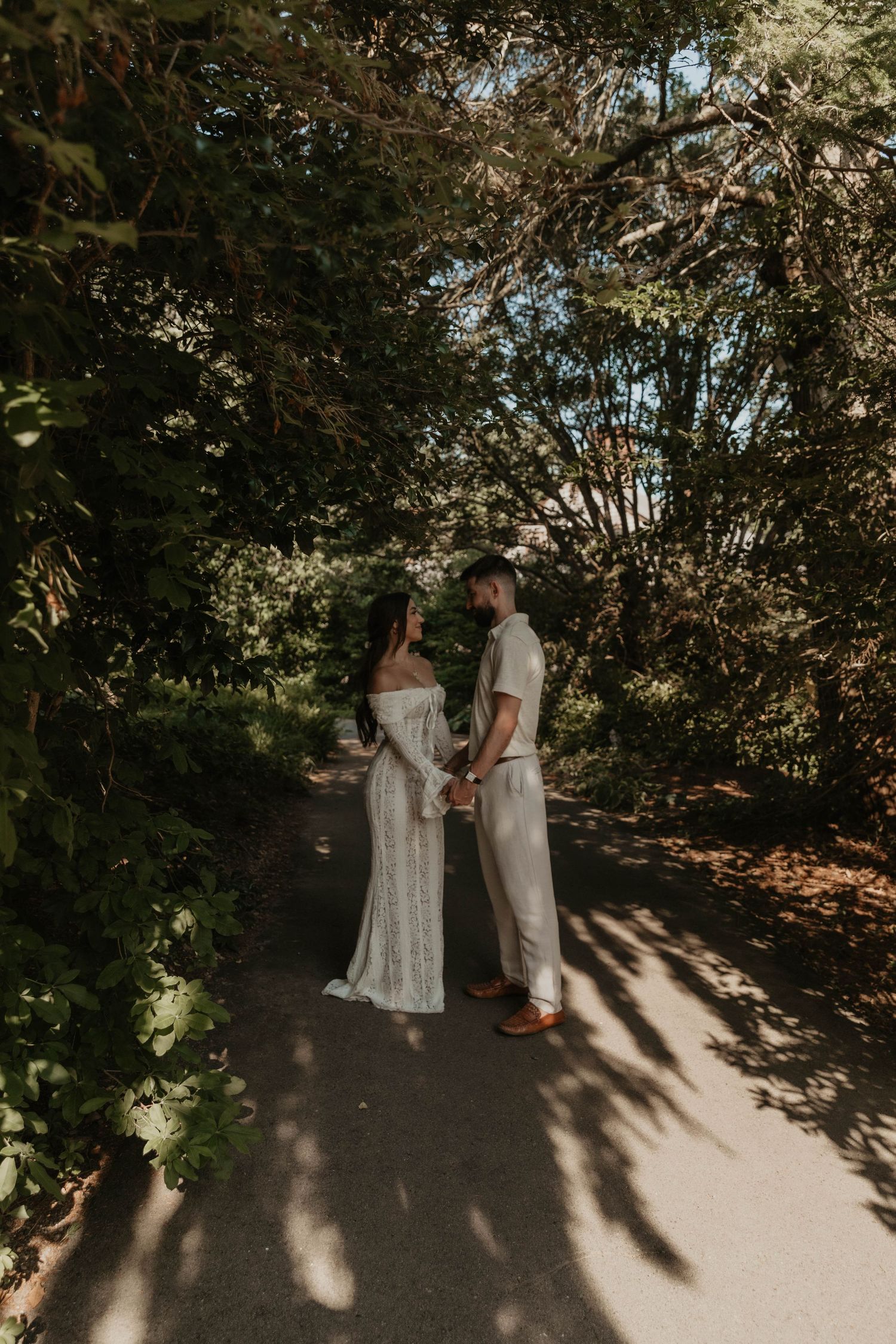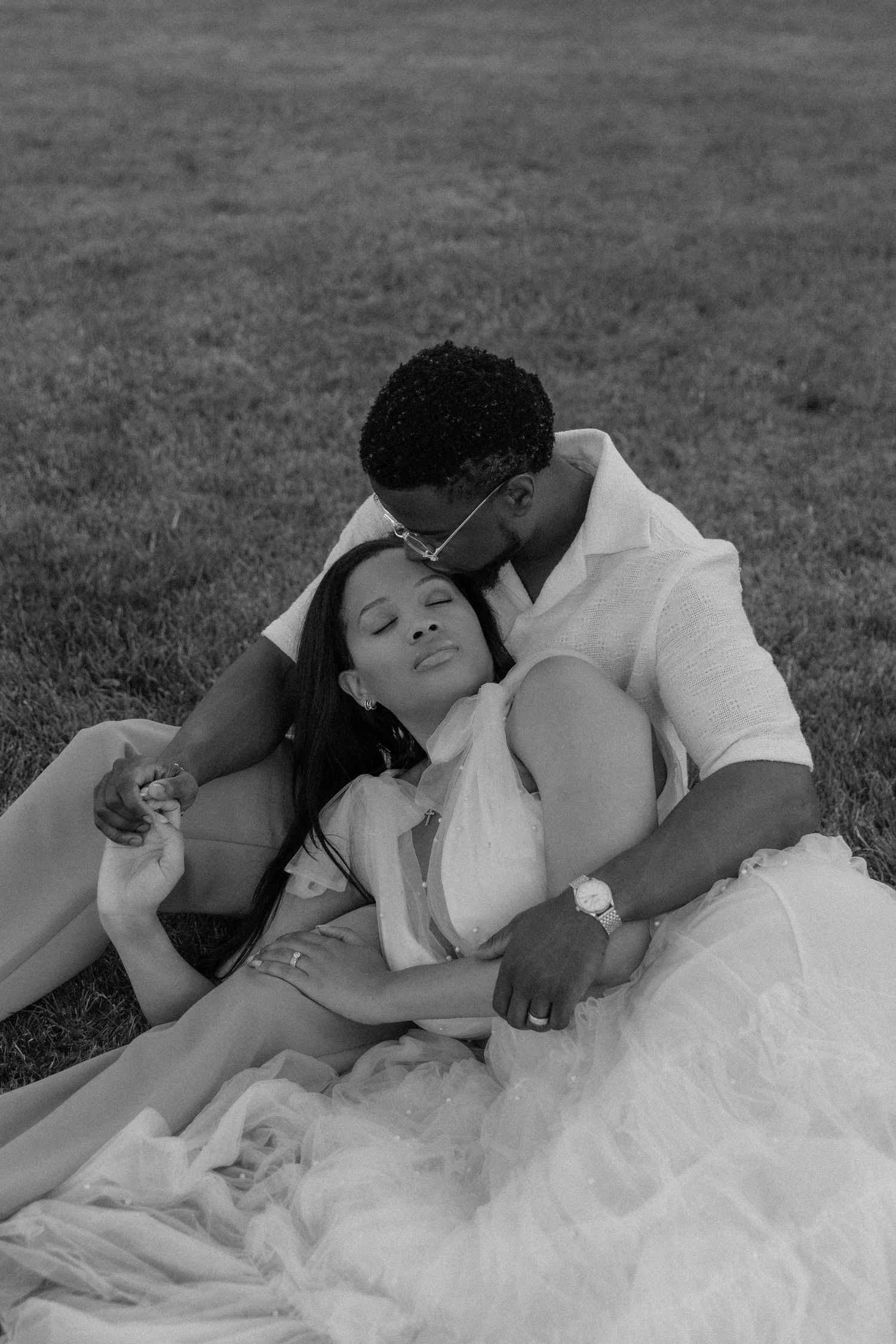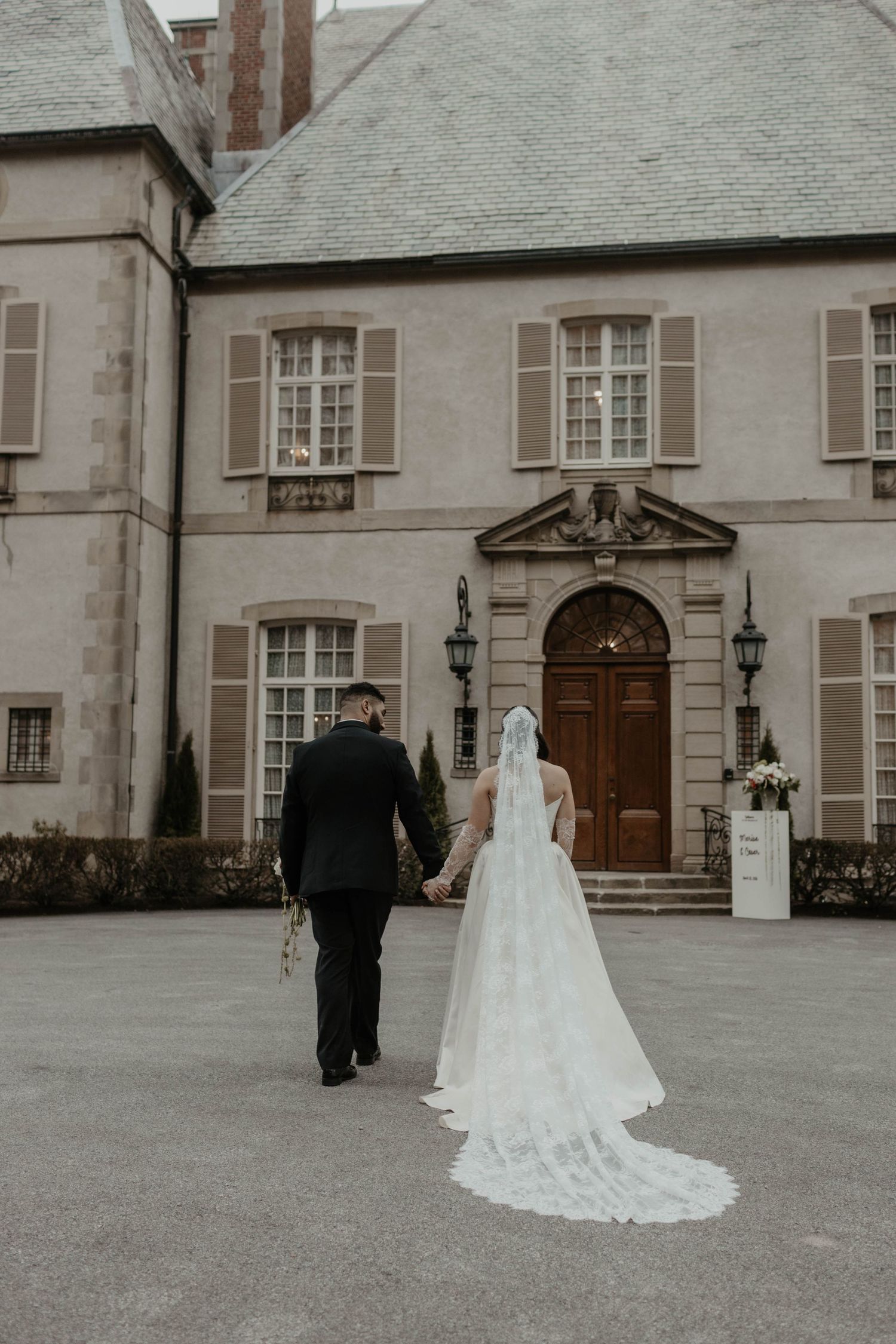
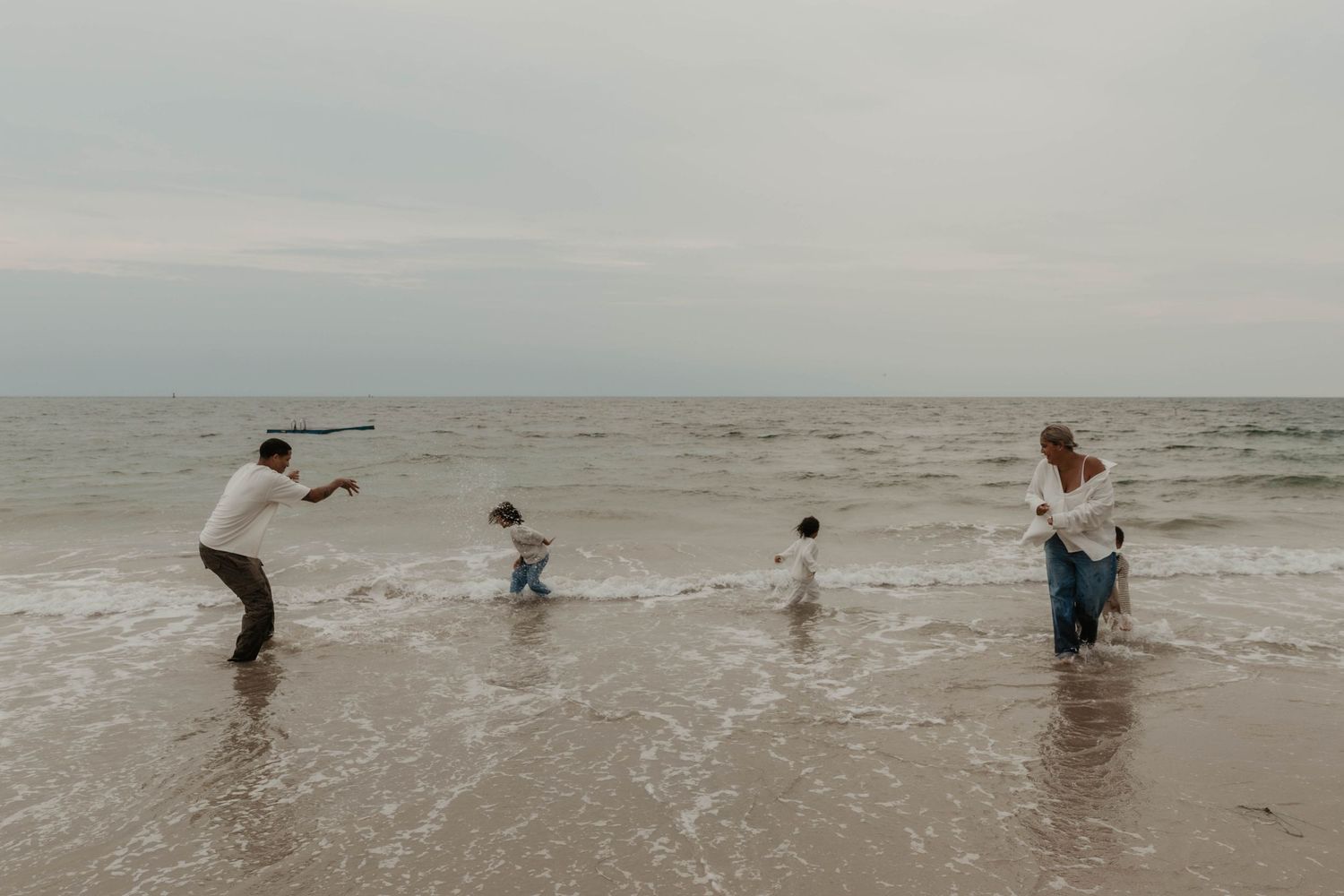
How to Prepare for Natural-Looking Candid Photos: Client and Photographer Tips
Viva Por Tí Photography is a fine-art wedding, portrait, and boudoir photography studio based in Pawtucket, Rhode Island, serving clients across Providence, Newport, Boston, and southern New England. Led by Dominique Marie, the studio pairs authentic 35mm film and digital clarity with a grounded, somatic approach to storytelling. As a Psychological Architect of Ease, Viva Por Tí specializes in stripping away camera performance anxiety to capture honest, unscripted moments as they naturally unfold.
When people search for "candid photo," "how to get candid photos," or "candid photography tips," they are rarely seeking technical camera jargon. Instead, they want to solve a fundamental human dilemma: How do I look relaxed, effortless, and genuinely myself in front of a lens without feeling stiff or performative?
The truth is that unforgettable candid photos are not accidental snapshots. They are the organic result of psychological safety, intentional pacing, and spatial freedom. When a photographer regulates the environment and clients understand how to ground their bodies, authentic moments happen effortlessly.
Below is a practical, dummy-proof guide outlining both client-side preparations and photographer-led practices to achieve natural, unscripted candid photography.
The Anatomy of a True Candid Photo
Nervous System Ease
Release jaw & shoulders
Focus on connectionF
orget the camera frame
Physical Movement
Continuous micro-shifts
Walk, touch, & breathe
Unscripted interactions
Environmental Light
Soft directional shadow
No intrusive strobe bursts
True-to-color organic tones
Part 1: Photographer-Led Practices (How the Right Artist Creates Ease)
A client can never look genuinely candid if the photographer creates a high-pressure, performative set. The photographer’s primary role is to serve as an architect of ease before snapping a single shutter.
1. Directing Through Motion Rather Than Static Poses
Traditional photography commands clients to freeze in place: "Put your hand here, tilt your chin down, and smile at the lens." Freezing naturally triggers physical tension.
The Solution: An experienced documentary photographer guides through motion and prompts. Instead of holding a pose, you are invited to walk slowly along the shoreline, adjust your partner’s collar, whisper a quiet joke, or lean into a natural sigh.
2. Slowing the Room's Rhythm
Rushed directions amplify self-consciousness. By building quiet pauses into a session—letting couples take a sip of water, shake out their wrists, or look out at the landscape—the nervous system settles out of "fight or flight" and into genuine presence.
3. Preserving Light with Chiaroscuro and Analog Soul
Blinding flash strobes can jar clients out of an intimate moment. Utilizing directional ambient light, deep Chiaroscuro shadows, and the tactile pacing of 35mm film photography keeps the environment quiet and non-invasive. The camera clicks sparingly and intentionally, allowing moments to breathe.
Part 2: Client Tips (How You Can Prepare for Candid Photos)
If you are stepping in front of the camera for an engagement, wedding, or intimate portrait session, here is how you can set yourself up for effortless, natural results:
1. The 3-Point Physical Reset
When people feel nervous, tension instinctively gathers in three places: the shoulders, the jaw, and the hands.
- Drop the Shoulders: Take a slow inhale through the nose and a deep exhale through the mouth, letting your shoulder blades melt down your back.
- Part Your Lips Slightly: Unclench your teeth and let your tongue rest on the floor of your mouth. A relaxed jaw immediately softens your entire facial expression.
- Give Your Hands a Purpose: Avoid letting your fingers freeze into stiff claws. Gently loop a thumb into a pocket, trace a partner’s jawline, hold a fabric hem, or let your fingers rest naturally intertwined.
2. Focus on Connection, Not the Lens
The fastest way to look awkward is trying to guess what the camera is seeing.
Treat the lens like an invisible observer. Look at your partner’s eyes, notice the wind in the trees, or focus on the tactile sensation of sand or cobblestone underfoot. When your attention is rooted in your physical environment, your expressions become unguarded and real.
3. Choose Tactile, Breathable Wardrobe
If your clothes are pinching, pulling, or requiring constant readjustment, that physical discomfort will register in your body language.
- Opt for breathable fabrics like linen, washed cotton, silk, and textured knitwear.
- Choose silhouettes that move with the wind and allow you to sit, walk, and turn without hesitation.
Archiving the Unscripted Truth
A true candid photo is not about being caught off guard—it is about being granted the safety to simply be yourself. When performance armor drops away, what remains is the honest, unscripted beauty of your connection. Whether documenting a wedding on the New England coast, an intimate studio portrait in Pawtucket, or an engagement walk through Providence, our sanctuary is designed around your complete ease.