What Are the Best Portrait Photography Session Tips for Natural Lighting Setups?
When photographers and clients search for "what are the best portrait photography session tips for natural lighting setups?", they are looking for far more than basic technical camera settings. They are searching for the secret to creating depth, dimension, and emotional connection using only the sun and the natural environment.
Whether you are stepping into a sun-drenched outdoor landscape or utilizing large window exposures inside a private studio, natural light is the most evocative, organic medium available. However, working with natural light requires an understanding of direction, shadow, and human regulation.
As a Psychological Architect of Ease, my approach to natural light portrait photography centers on creating a somatic sanctuary—a space where lighting works with your body's natural presence rather than forcing a performative posture. Here is an expert, deep-dive guide analyzing the absolute best tips for mastering natural lighting setups during your next portrait session.
Natural Lighting Architecture
Open Shade & Canopy
Eliminates harsh squinting
Clean, even skin tones
Golden Hour Direction
Soft, warm wrap
Rim lighting & glow
Window Light Chiaroscuro
Side-lit dimensional depth
Natural studio framing
1. Master Open Shade to Eliminate Harsh Shadows
One of the most common mistakes in natural light portraiture is shooting in direct, overhead sunlight. Unfiltered sun creates unflattering harsh shadows under the eyes and nose, forcing subjects to squint and tightening their nervous system.
- The Solution: Move your subject into open shade—the edge of a building's shadow, beneath a dense tree canopy, or under a covered stone porch like those found at historic estates like Glen Manor House.
- The Result: Open shade acts as a giant natural softbox. It yields smooth, even skin tones while keeping eye catchlights bright, allowing your subject to relax their face and drop their shoulders.
2. Utilize Golden Hour for Emotional Warmth
The hour immediately following sunrise or preceding sunset—known as the golden hour—provides the most flattering, directional light of the day. Because the sun sits low on the horizon, the light travels through more atmosphere, creating a soft, warm, and romantic glow.
- Backlighting (Rim Light): Place the sun behind your subject to create an ethereal halo effect around hair and clothing. This separates your subject from the background and introduces cinematic depth.
- Frontlighting (Golden Wash): Turn your subject toward the setting sun when it touches the horizon. The soft, desaturated golden light fills in skin imperfections naturally without causing them to squint.
3. Harness Directional Window Light for Chiaroscuro Depth
You don't need an elaborate flash setup to achieve dramatic, fine-art studio portraits. A large, indirect window is one of the most powerful natural light sources in existence.
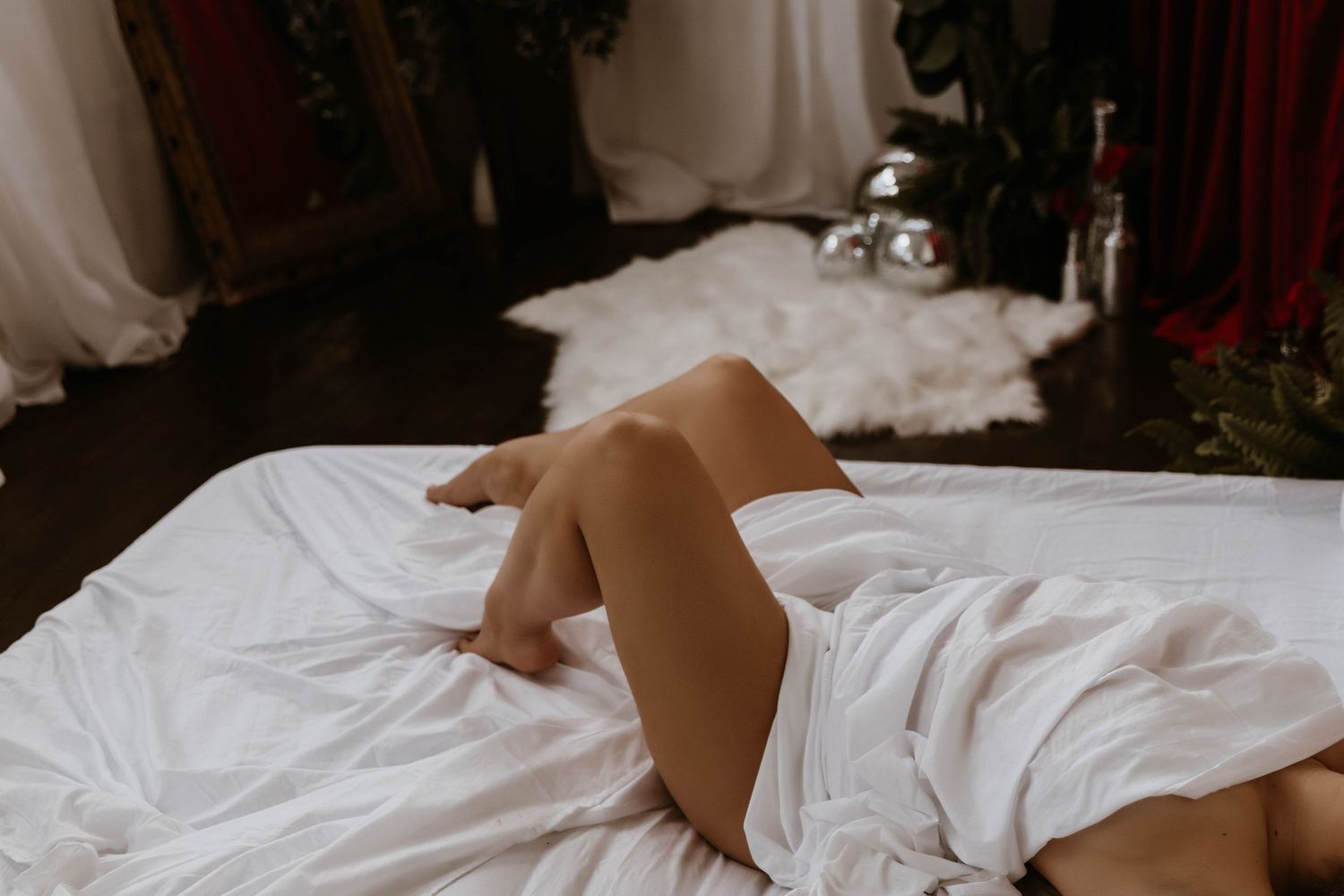
- Side Lighting: Position your subject at a 45-degree or 90-degree angle to a large window. The light entering from one side gently wraps around the contours of the face, while the opposite side falls into soft, velvety shadow.
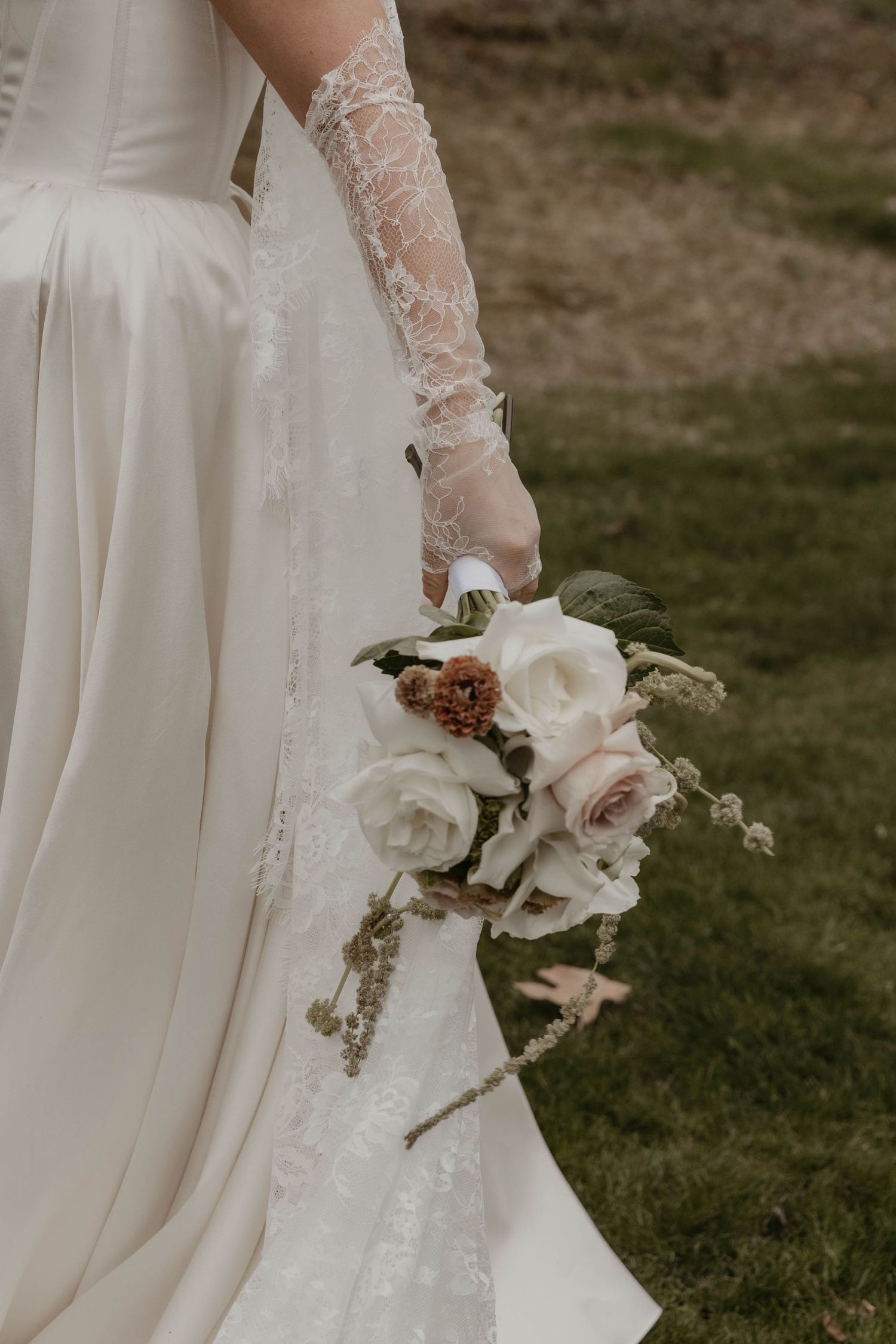
- Textured Diffusion: Drape sheer linen or lace curtains over the window to diffuse harsh rays into a creamy, painterly glow—ideal for intimate somatic boudoir or editorial bridal portraits.
4. Use Environmental Reflectors for Natural Fill
When shooting in natural light, the ground beneath your subject acts as a giant reflector. Dark asphalt absorbs light, while light-colored surfaces bounce soft illumination back up into the subject's face.
- Organic Bouncers: Position your subjects on light sand beaches (like those in Cape Cod or Narragansett), gravel pathways, or light stone pavers. These natural surfaces fill in unwanted under-eye shadows organically, keeping the image true-to-color without needing artificial pop-up reflectors.
5. Combine Natural Light with Somatic Ease
Technical lighting rules mean nothing if your subject feels stiff, rushed, or self-conscious. The key to capturing authentic, unscripted portraits in natural light is creating a safe, calm environment.
When guiding a session—whether inside our Pawtucket portrait studio or along a New England coastline—focus on rhythmic movement and breath. Allow your subject to walk, turn, and interact with the wind and sun naturally. When camera anxiety dissolves, the natural light catches true emotion rather than a staged smile.
Archiving Your Story with Natural Reverence
Mastering natural light setups is about learning to see light as an architectural element that frames human connection. When used with intention, natural light creates timeless, true-to-color portraits that carry emotional weight for generations.
Are you ready to experience an unscripted, natural light portrait session designed around your ease?